



.svg)


Weather Delays in Construction and How to Shrink the Exposure Window
Every week a framed structure sits exposed to weather is real financial risk. See what that risk actually costs and how to..

Structural Insulated Panels (SIPs) can simplify many parts of the construction process, but they do require a slightly different approach than traditional stick framing.
Instead of assembling walls and roofs piece by piece on the jobsite, SIP construction uses pre-engineered panels that integrate structure, insulation, and air control into a single building envelope system. Because these panels are fabricated before they arrive on site, some of the coordination that normally happens during framing shifts earlier into the design and planning stages.
For builders who are used to conventional framing methods, that shift is often the biggest adjustment when working with Structural Insulated Panels.
Understanding how SIP projects are planned, coordinated, and installed helps builders avoid surprises, streamline the construction process, and take full advantage of the energy efficiency and performance benefits SIP buildings are known for.
Want to see how a SIP project comes together from design to installation? Understanding the full process can help builders plan ahead and coordinate projects more efficiently.
Explore the SIP construction process and what to expect for a successful build:
⇒ The Premier SIPS Process – What to Expect for a Successful Build
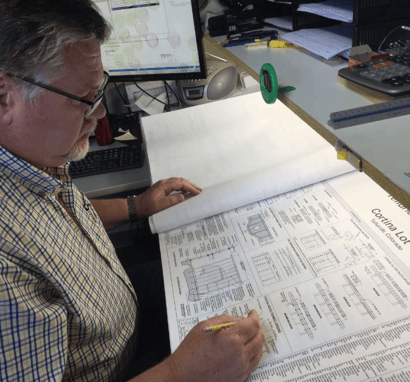
One of the biggest differences between SIP construction and conventional framing is how much coordination happens before materials reach the jobsite.
With traditional stick framing, many decisions can still be adjusted in the field. Walls are framed on site, openings are cut as crews go, and minor changes can often be worked out during installation. While that flexibility can be useful, it also means many important details are finalized after construction has already begun.
SIP construction shifts much of that coordination earlier in the process.
Because SIP panels are fabricated in a controlled manufacturing environment, critical design decisions are addressed during the design and shop drawing phase. Panel dimensions, window and door openings, roof geometry, and structural load paths are all coordinated before panels go into production. This early planning is what allows SIP projects to move quickly once panels arrive on site.
Key items builders should review before SIP panels go into production:
That last item is worth particular attention for first-time SIP builders. How panels connect to the foundation affects both structural load transfer and the continuity of the building envelope at the base of the wall — making it one of the more important details to confirm before fabrication begins.
Builders and designers should also review common SIP construction details and best practices during the planning phase to ensure transitions, connections, and envelope assemblies are properly coordinated.
Resolving these items early helps ensure the building envelope system is fully coordinated before fabrication begins — preventing schedule delays, redesigns, and unnecessary field adjustments later in the project. Your dedicated project manager can help guide this review, and your local SIP advisor is available for pre-construction meetings with your team and subcontractors to work through any questions before installation begins.
Learn more about how pre-construction planning helps builders avoid field changes and keep projects on track.
Learn more about how pre-construction planning helps builders avoid field changes and keep projects running smoothly.
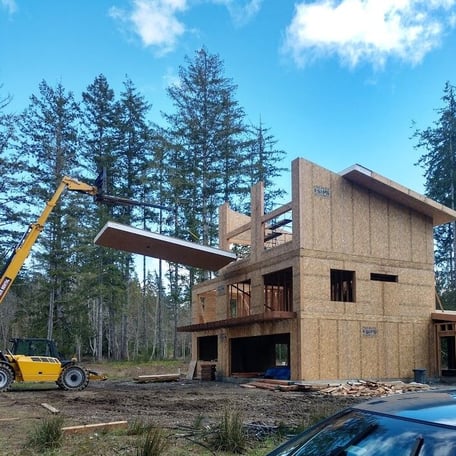 SIP panels are typically installed as large wall or roof sections rather than individual framing members. Panels are set, connected, and sealed using manufacturer-specified fastening and joint sealing methods.
Because the structure and insulation are integrated into the panel, builders are not installing studs, cavity insulation, and air barrier components separately. Instead, crews are assembling a complete building envelope system.
For many builders, the biggest difference becomes clear once panels arrive on site. Large sections of the building envelope can be installed quickly, allowing the structure to dry-in sooner than traditional framing methods.
This approach often reduces weather exposure and allows interior trades to begin work earlier in the schedule.
Another important difference is the reduction in field variability. Traditional construction relies heavily on jobsite measuring, cutting, and assembly, which can introduce inconsistencies depending on labor experience, weather conditions, and sequencing between trades.
SIP panels shift much of that complexity upstream into design and fabrication. Panels arrive pre-cut, insulated, and ready to install, reducing:
The result is a building envelope that performs more consistently across projects.
Learn how systems-based construction helps reduce jobsite variability and deliver more consistent building performance.
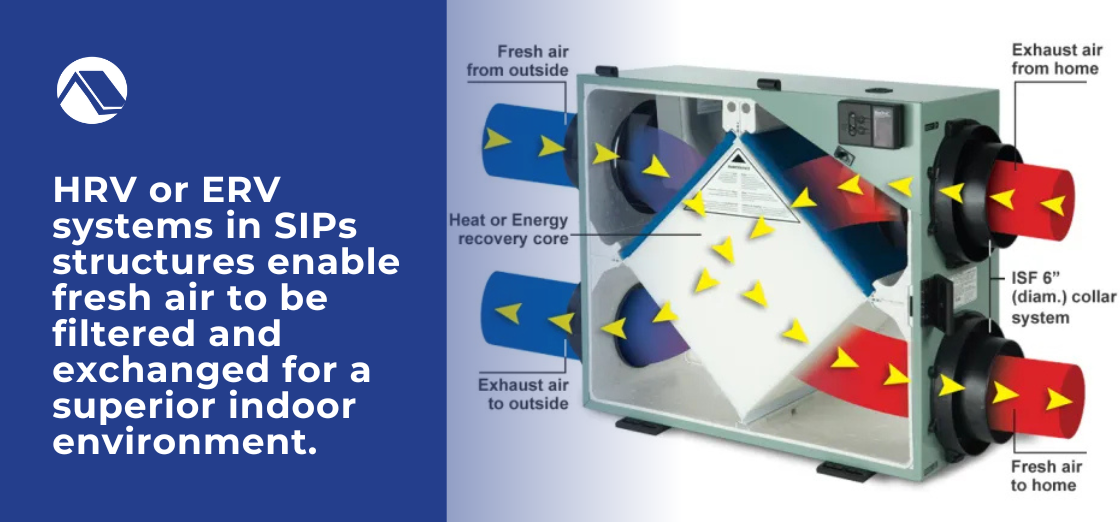
Because SIP buildings typically have lower air leakage and higher insulation performance than conventional framing, heating and cooling loads may be reduced.
Builders and HVAC designers should account for this when selecting mechanical systems. Oversized equipment can reduce efficiency and affect humidity control.
When mechanical systems are designed around the performance of the SIP building envelope, projects often see improved comfort and more consistent indoor conditions.
Learn how high-performance building envelopes influence HVAC design, efficiency, and indoor comfort.
One of the practical differences builders notice with SIP construction is that many openings are already cut before panels arrive on the jobsite.
During the design and shop drawing phase, window and door locations are coordinated so panels can be fabricated with those openings already in place. This allows installation crews to set panels quickly without framing rough openings in the field.
For builders accustomed to conventional framing, this is another example of how SIP construction shifts coordination earlier in the process. Instead of framing openings during wall assembly, those locations are confirmed during panel design.
Because of this, it’s important to finalize window and door selections, rough opening sizes, and layout details before panels go into production.
Structural openings are also reviewed during the design phase. Depending on the size and location of the opening, headers or engineered framing components may be incorporated into the SIP design to ensure proper load transfer around windows and doors.
When coordinated properly, pre-cut openings can:
Like many aspects of SIP construction, the goal is not to remove flexibility—it’s to resolve key details earlier so installation in the field becomes faster and more predictable.
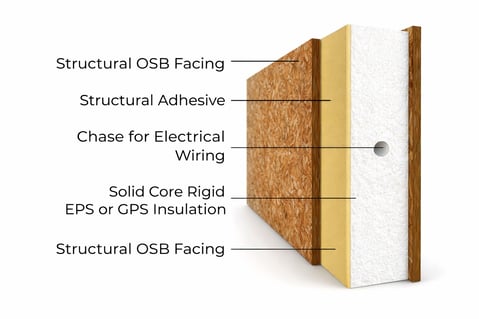 One of the most common questions builders ask when working with SIPs for the first time is how electrical wiring is handled inside the panels.
Most SIP panels include pre-installed electrical chases that allow wiring to run horizontally and vertically through the wall system without drilling through structural components. Electricians access these chases by cutting small openings for outlet boxes and pulling wire through the panel.
Because these chases are part of the panel design, it’s helpful for builders to review outlet locations and electrical layouts during the design and shop drawing phase whenever possible.
Planning electrical locations early helps crews coordinate installation more efficiently once the panels are installed and reduces the need for field adjustments.
Like any building system, SIPs require thoughtful planning and coordination. When builders understand how SIP projects are designed and installed, they can take full advantage of the system’s benefits.
With proper pre-planning, SIP construction can help projects achieve faster enclosure, improved energy efficiency, and more predictable building envelope performance. Learn more about the Premier SIPS process and what to expect for a successful build.
Visit our Resource Library to access checklists, CAD files, and planning tools to help you pre-plan smarter.
Building better starts with understanding the system you’re building with. Thinking about building with SIPs on your next project?

Do SIPs require special construction skills?
Most builders can learn SIP installation quickly. The key difference is coordinating design details and panel layouts before fabrication.
Are SIP buildings more energy efficient than conventional framing?
Yes. SIP systems provide continuous insulation and reduced air leakage, which improves overall building envelope performance. In practice, this typically translates to lower utility bills for occupants and allows mechanical systems to be right-sized for the building — meaning smaller, more efficient HVAC equipment rather than oversized systems compensating for a leaky envelope.
Do SIP panels eliminate the need for air sealing?
Panel joints and transitions must still be sealed, but airtightness is built into the panel assembly rather than relying on multiple field-applied layers.
Are window and door openings pre-cut in SIP panels?
Yes. During the design and shop drawing phase, window and door openings are coordinated and cut into the panels before they arrive on the jobsite. This allows installation crews to set panels quickly and improves dimensional accuracy. Larger openings may also include engineered framing components or headers designed to transfer structural loads around the opening.
How is electrical wiring installed in SIP walls?
Most SIP panels include pre-installed electrical chases that allow wiring to run through the wall system without drilling through the structural components. Electricians access these chases when installing outlet boxes and pulling wire. Reviewing electrical layouts during the design phase helps ensure outlet locations align with the chase locations in the panels.
Can SIPs reduce construction time?
Because panels arrive pre-cut and insulated, buildings can often reach dry-in faster than traditional framing methods.

Premier SIPS deliver a high-performance building envelope that outperforms traditional framing in efficiency, strength, and long-term durability. If you're evaluating SIPs, planning an upcoming project, or ready for pricing, now is the time to talk with our team about the right next step.
